Simple Steps to Minimize Household Trash: An Easy Guide
Are you frustrated by how much waste your household generates each week? Discover practical and easy solutions to reduce your family's garbage with our guide on minimizing household trash. Learn how these strategies save money, help the planet, and create a cleaner, more sustainable home environment.
Why Minimizing Household Trash Matters
The average family produces hundreds of pounds of garbage every year, much of which ends up in overflowing landfills. Household waste reduction not only reduces environmental pollution but also conserves resources, cuts costs, and fosters healthier living spaces. By minimizing your household trash output, you'll contribute to a cleaner planet and a more sustainable lifestyle.
Environmental Benefits of Reducing Household Waste
- Less landfill waste: Reducing trash means fewer landfills and less land degradation.
- Resource conservation: Minimizing waste preserves raw materials, water, and energy.
- Lower carbon footprint: Less waste requires fewer transport trips and less incineration, decreasing greenhouse gas emissions.
- Clean communities: Less littering and illegal dumping improves neighborhood aesthetics and public health.
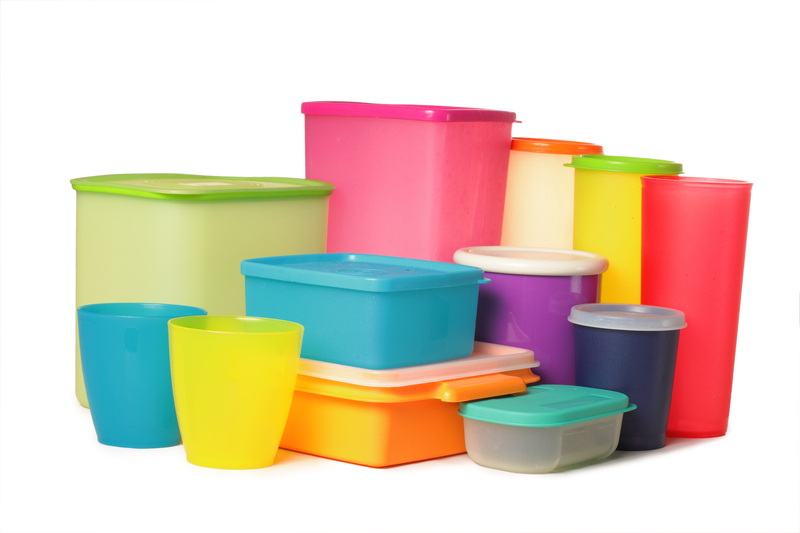
Assessing Your Household's Trash Patterns
To effectively reduce household waste, start by understanding what you throw away. Conduct a simple waste audit:
- Keep a trash diary. For a week, note every item thrown in the garbage and recycling bins.
- Sort and analyze. Separate your waste into categories: food waste, plastics, paper, glass, metals, and non-recyclables.
- Identify "problem items". Highlight things you throw away most often or in the largest quantities.
This insight will help you tailor your zero-waste efforts for maximum impact!
Simple Steps to Minimize Household Trash: Actionable Tips
1. Buy Less, Choose Wisely
- Shop with purpose. Create detailed shopping lists to avoid impulse purchases that generate packaging waste or spoil before use.
- Choose products with minimal or compostable packaging. Opt for items wrapped in paper, glass, or other easily recyclable or biodegradable materials.
- Buy in bulk. Bulk purchases often mean less packaging and more value.
- Avoid single-use items. Say no to disposable cutlery, plates, and napkins. Invest in reusable options whenever possible.
2. Reuse and Repurpose
- Switch to reusable bags, bottles, and containers. Bring your own shopping bags and water bottles to reduce plastic waste.
- Repurpose jars and containers. Old jam jars can become handy storage for food, office supplies, or DIY crafts.
- Repair what you can. Instead of throwing away clothes, shoes, or gadgets, try repairing or upcycling them.
- Give items a second life. Donate gently used clothes, toys, and furniture instead of sending them to the dump.
3. Practice Proper Recycling
- Know your community's recycling rules. Every locality has different guidelines. Check which plastics, paper products, and metals are accepted.
- Rinse and dry recyclables. Unclean materials can contaminate entire batches and end up in landfills.
- Flatten boxes and containers. Save space in your recycling bin and ensure efficient transport and sorting.
- Avoid "wishcycling." Only recycle items your facility accepts; tossing in unrecyclable materials causes more harm than good.
4. Compost Your Kitchen and Yard Waste
A huge portion of household garbage is organic matter that can be composted. Composting transforms food scraps and yard waste into nutrient-rich soil for your garden, reducing landfill waste and methane emissions.
- Set up a compost bin. Choose a backyard bin or a kitchen composter if you live in an apartment.
- Add the right mix. Alternate "greens" (food scraps, coffee grounds, fresh grass) with "browns" (dry leaves, cardboard, newspaper).
- Avoid composting meat, dairy, and oily foods. These attract pests and may not break down properly.
- Use finished compost in your yard. It enriches soil and boosts your plants' health.
5. Rethink Food Waste
- Plan meals and portions. Shop only for what you need and cook correct portion sizes to minimize leftovers.
- Store food smartly. Use airtight containers and keep perishables visible so they don't go bad unnoticed.
- Use leftovers. Transform last night's dinner into today's lunch or a creative new dish.
- Understand food date labels. "Best before" is not "expired." Many foods are safe to eat past date if they look and smell fine.
6. Make Eco-Friendly Swaps
Swapping out disposables for reusables dramatically lowers waste in your household.
- Replace paper towels with washable cloths.
- Try beeswax wraps instead of cling film.
- Invest in rechargeable batteries instead of single-use ones.
- Opt for bar soap and shampoo over plastic bottles.
Minimizing Household Trash Room-by-Room
Kitchen
- Set up an organized recycling station for cans, bottles, and paper.
- Store food properly to keep it fresh longer.
- Compost kitchen scraps and yard waste.
- Purchase pantry staples in bulk using your own containers.
Bathroom
- Switch to bar soap and shampoo bars.
- Choose refillable toiletry containers where available.
- Use washable cotton rounds and cloth tissues.
Laundry Room
- Switch to detergent sheets or powders in cardboard packaging.
- Skip disposable dryer sheets for wool dryer balls.
- Repair clothes instead of tossing them out.
Living Room and Bedrooms
- Donate or sell old electronics, books, and furniture.
- Use washable covers and reusable decorations.
- Avoid single-use party supplies.
Engaging the Whole Family in Trash Reduction
Waste reduction is most successful when everyone participates. Motivate your family with these simple ideas:
- Assign age-appropriate tasks. Youngsters can collect recycling or compost, while older family members track progress or organize swaps.
- Make it fun. Create contests to see who can produce the least waste or come up with creative upcycling projects.
- Discuss the "why". Teach kids about the impact of trash and the benefits of zero-waste living.
- Reward milestones. Treat the family to a fun outing or eco-friendly gift when trash-output goals are met.
Dealing with Difficult-to-Minimize Household Trash
Some waste--like medical products, hazardous household materials, and certain plastics--may be hard to eliminate completely. Here's what to do:
- Find your local hazardous waste drop-off day. Many communities collect paints, batteries, and electronics for safe disposal.
- Research recycling programs for tricky items. Some stores accept take-back of plastic bags, printer cartridges, or lightbulbs.
- Advocate for change. Urge brands and policymakers to offer more sustainable products and recycling options.
Benefits of Reducing Household Trash Beyond the Environment
- Save money. Buying less and reusing more lightens your shopping bill.
- Declutter your home. Minimalist living reduces stress and boosts organization.
- Teach responsibility. Involving kids sets lifelong sustainable habits.
- Build community. Swap, share, and connect with neighbors to reduce waste together.

Frequently Asked Questions About Minimizing Household Trash
What are the easiest first steps someone can take to reduce household waste?
Start by refusing single-use plastics, using a reusable shopping bag, setting up a basic recycling center at home, and composting fruit and vegetable scraps. Even small changes at first can make a big difference over time.
Do I need to go "zero waste" to make an impact?
No! You don't need to be perfectly zero-waste to help the environment. Every bag of trash you keep out of the landfill counts. Progress, not perfection, is the goal.
How can I convince reluctant family members?
Show them the practical benefits like cost savings, less clutter, and improved community health. Demonstrating how easy the process can be often wins over skeptical household members.
Final Thoughts: Start Small and Make it Fun
Minimizing household trash doesn't require drastic change overnight. By taking simple steps, starting with your own habits, and involving family and community, you can have a real and lasting impact. Whether your goal is just a few fewer bags to the curb or a nearly zero-waste home, the journey toward less waste is rewarding and empowering.
Start today--every little bit helps!