The Future of Packaging and Cardboard Disposal: Sustainability First
The Future of Packaging and Cardboard Disposal: Sustainability First
In the modern world, packaging plays an essential role not just in protecting products but also in influencing consumer choices and environmental impact. As the world wakes up to the environmental crisis, the demand for sustainable packaging and responsible cardboard disposal is at an all-time high. This article examines the future direction of packaging, focusing on eco-friendly solutions, the evolution of cardboard recycling, and innovative strategies for disposal that put sustainability first.

Why Focus on Sustainable Packaging?
Packaging waste, especially from cardboard and paper products, constitutes a significant portion of municipal solid waste worldwide. As e-commerce booms and product shipments grow, so does reliance on packaging materials. This reality pushes stakeholders--from manufacturers to consumers--to rethink how packaging and disposal processes can become both environmentally friendly and economically viable.
Sustainable packaging refers to the adoption of materials, designs, and processes that minimize environmental impact. This approach encompasses resource-efficient manufacturing, the use of recyclable materials, biodegradable solutions, and methods that support clean cardboard disposal.
The Environmental Footprint of Conventional Packaging
Traditional packaging frequently involves plastics, non-renewable resources, and energy-intensive production. Cardboard, though generally more sustainable than plastic, poses challenges if not properly recycled or disposed of. The following are some environmental issues associated with conventional packaging:
- Resource Depletion: High usage of virgin paper and cardboard strains forests and ecosystems.
- Landfill Overload: Poor recycling practices lead to increased landfill volume and methane emissions from decomposing materials.
- Carbon Footprint: Energy-intensive manufacturing and transportation processes increase greenhouse gas emissions.
- Water Pollution: Chemical processes in paper and cardboard production pollute water sources.
As these concerns grow, industries, governments, and individuals alike are shifting priorities. The future of packaging and cardboard disposal is being shaped around sustainability, setting new standards for packaging design, material sourcing, and waste management.
Innovations in Sustainable Packaging
To truly embrace a "sustainability first" mindset, several innovations are transforming how packaging is produced, used, and disposed of. Below are some key trends driving change in the future of eco-friendly packaging and cardboard waste management:
1. Recyclable and Recycled Materials
An increasing number of companies are shifting towards 100% recyclable or post-consumer recycled cardboard for packaging. This approach reduces reliance on virgin materials and decreases overall waste. New recycling technologies also allow for higher quality paper fibers to be recovered, ensuring that recycled cardboard maintains durability.
2. Biodegradable and Compostable Packaging
Biodegradable solutions, such as plant-based liners or compostable coatings for cardboard, are quickly gaining popularity. These materials break down naturally in the environment, minimizing long-term waste and pollution. Compostable packaging options are especially vital for single-use products and food service industries.
3. Minimalist and Lightweight Designs
Reducing material use begins at the design phase. Companies are increasingly opting for minimalist packaging--using less cardboard while still safeguarding products. This also means lighter shipments, fewer resources, and lower transportation emissions, advancing the case for sustainable packaging.
4. Smart and Multi-Functional Packaging
Smart packaging can include features such as QR codes for recycling instructions, or multi-functional designs that allow reusing cardboard boxes for other purposes (such as storage or play). These innovations not only minimize waste but also enhance the overall consumer experience.
5. Water-Based and Eco-Friendly Inks and Adhesives
Transitioning from chemical-based inks and adhesives to water-based and plant-derived alternatives ensures that packaging remains non-toxic and easy to recycle. These advances prevent contamination of recycled fibers and facilitate safer cardboard disposal methods.
The Evolution of Cardboard Disposal
As packaging innovations advance, the disposal process must also evolve to close the sustainability loop. Effective cardboard disposal goes beyond placing materials in a recycling bin--it requires collaborative action, improved infrastructure, and community education.
Challenges to Overcome
- Contamination: Cardboard contaminated with food, oil, or other substances can disrupt recycling streams.
- Sorting Issues: Insufficient sorting at source can result in recyclable materials ending up in landfills.
- Lack of Consumer Awareness: Many consumers are unaware of best practices for eco-friendly cardboard disposal.
- Recycling Infrastructure: Not all communities have access to efficient cardboard collection and recycling facilities.
Innovative Solutions for Cardboard Waste
As sustainability becomes paramount, these are leading strategies ensuring responsible cardboard disposal in the future:
- Automated Sorting Facilities: Advanced recycling plants equipped with AI-driven sorting systems can improve contamination detection and fiber recovery rates, increasing the amount of cardboard successfully recycled.
- Decentralized Community Recycling Centers: Small-scale, local recycling hubs make cardboard recycling more accessible and efficient, particularly in urban and suburban settings.
- Consumer Education Initiatives: Public campaigns about how to clean, flatten, and sort cardboard will reduce contamination and improve recycling rates.
- Deposit-Return Systems: Incentivizing cardboard recovery via deposit systems or rewards encourages higher participation rates in sustainable disposal programs.
Regulatory and Corporate Moves Toward Sustainability
Governments and corporations play a vital role in setting standards for sustainable packaging and cardboard waste management. Stronger regulations are emerging worldwide, prompting companies to adopt greener practices and improve reporting.
- Packaging Directives: The European Union's Circular Economy Action Plan and similar initiatives worldwide aim to reduce packaging waste by targeting single-use materials and mandating recyclable content.
- Extended Producer Responsibility (EPR): EPR laws require packaging producers to fund and manage the post-consumer phase, creating incentives for eco-friendly design and improved cardboard disposal.
- Voluntary Corporate Commitments: Many brands now pledge to use 100% recycled packaging, invest in recycling infrastructure, and innovate new forms of biodegradable and recyclable cardboard.
The Role of Consumers in the Future of Cardboard Disposal
Consumers are at the core of the shift toward sustainable packaging. Every individual choice shapes demand for eco-friendly packaging and influences industry standards. Here's how consumers are driving change:
1. Growing Preference for Sustainable Options
Modern consumers increasingly seek out products wrapped in recyclable or biodegradable packaging, putting pressure on brands to prioritize greener practices. Surveys indicate that over 60% of consumers prefer sustainable packaging, reshaping entire markets.
2. Active Participation in Recycling Programs
Proper sorting and preparation of cardboard for recycling--such as flattening boxes and removing non-paper elements--substantially enhance recycling efficiency. Community initiatives and informative labeling further boost participation.
3. Creative Reuse and Upcycling
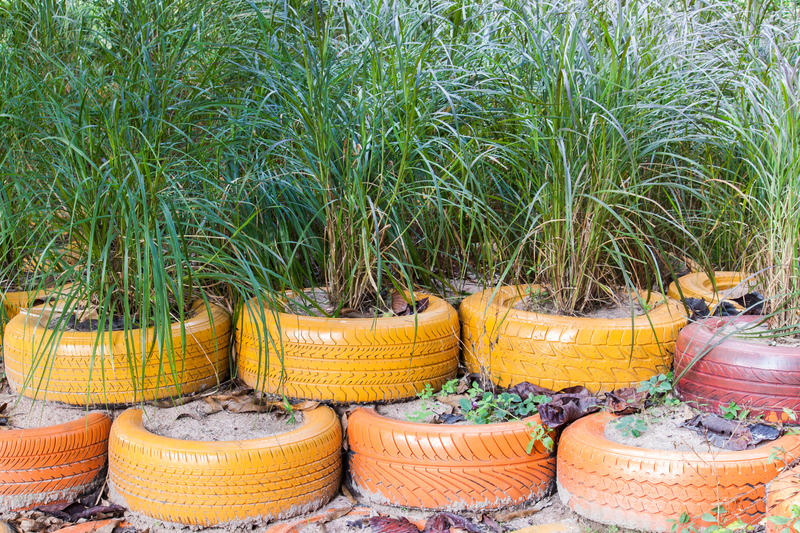
Before disposal, many consumers find ways to repurpose cardboard packaging for storage, art projects, or gardening. Upcycling extends the lifespan of materials and reinforces the circular economy.
The Circular Economy: Closing the Loop on Cardboard
A truly sustainable future for packaging and cardboard waste hinges on the adoption of the circular economy model. In a circular system, materials are designed to circulate at their highest utility and value for as long as possible, minimizing virgin resource extraction and waste generation.
- Design for Recyclability: Packaging is engineered from the outset to be easily disassembled, recycled, or composted, supporting a sustainable end-of-life process.
- Increased Use of Recycled Content: Prioritizing recycled fibers in new cardboard production closes the materials loop and slashes the need for raw materials.
- Partnerships Across the Value Chain: Collaboration between manufacturers, retailers, recycling facilities, and consumers ensures a holistic, effective approach to sustainable cardboard disposal.
What Does the Future Hold for Sustainable Packaging and Cardboard Disposal?
Looking forward, the intersection of cutting-edge technology, innovative materials, stricter regulations, and conscious consumerism will define the next era of packaging. Below are expected developments as the packaging industry continues to prioritize sustainability first:
- AI-Driven Waste Monitoring: Smart bins and AI sorting facilities will optimize recycling processes, reducing contamination and boosting recovery rates.
- Bio-Based Cardboard: Research into alternative fibers, such as bamboo and agricultural residues, will lead to more renewable, rapidly regenerating cardboard materials.
- Zero-Waste Supply Chains: Companies will strive for systems where all packaging is reused, returned, or fully recycled, enabling net-zero waste achievement.
- Consumer Empowerment: Improved transparency and digital tools will guide buyers to make sustainable choices and track their packaging's environmental impact.
- Global Collaboration: Multinational efforts between governments, non-profits, and industry will standardize sustainable packaging norms and foster worldwide recycling infrastructure.
Conclusion: Putting Sustainability First in Packaging and Cardboard Disposal
The transformation of packaging and cardboard waste management is more than just a trend--it's a global imperative. As we navigate the future, adopting sustainable packaging practices and responsible cardboard disposal methods must become the new normal. Through innovation, collaboration, and education, it's possible to create an ecosystem where packaging protects both products and the planet.
By embracing recyclable, biodegradable, and smart packaging, and by supporting progressive disposal and recycling initiatives, we advance toward a world where putting sustainability first is not just possible--it's inevitable. The choices made today will shape a greener, cleaner, and more resilient future for packaging and cardboard disposal.