The Plastics You Should Steer Clear Of: A Comprehensive Guide
Plastics have become an inseparable part of our daily lives, but not all plastics are created equal. Some plastics have been linked to adverse health effects and environmental hazards. In this in-depth article, we explore dangerous plastics you should avoid, why you need to be cautious, and what alternatives you can consider to protect both your health and the planet.
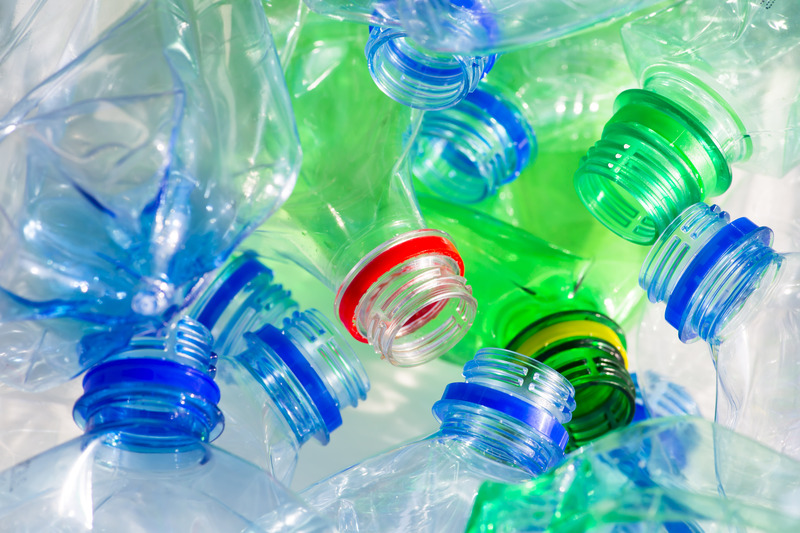
Understanding Plastics: Why Are Some More Dangerous?
Modern life is saturated with plastic products. From food containers and water bottles to packaging and household goods, plastic is everywhere. Unfortunately, the convenience of plastic comes with a price. Some plastics can leach harmful chemicals, especially when exposed to heat, sunlight, or acidic foods. These chemicals have been linked to cancer, hormone disruption, and developmental issues, prompting scientists and health professionals to warn the public to avoid certain types whenever possible.
The key to protecting yourself is understanding how plastics are categorized. Plastics are primarily classified by their resin identification code (RIC)--those numbers inside the "recycling" triangle on most plastic products. Knowing what each code means, and which plastics to avoid, can help you make safer choices.
The Major Types of Plastic - Know Your Numbers
When you check the bottom of a plastic product, you'll often find a number (from 1 to 7) inside a triangle. This RIC system helps identify the type of plastic, its potential hazards, and whether it is safe for certain uses. Let's break down the most common types and highlight the riskiest plastics you should steer clear of:
- 1 - PET or PETE (Polyethylene Terephthalate)
- 2 - HDPE (High-Density Polyethylene)
- 3 - PVC (Polyvinyl Chloride)
- 4 - LDPE (Low-Density Polyethylene)
- 5 - PP (Polypropylene)
- 6 - PS (Polystyrene)
- 7 - Other (May include Polycarbonate, BPA, etc.)
The Most Dangerous Plastics You Should Avoid
Certain types of plastics are recognized as particularly hazardous due to their chemical composition and propensity to leach toxins. Here are the plastics to avoid for health and environmental reasons:
1. #3 PVC (Polyvinyl Chloride): The Poison Plastic
- Common Uses: Pipes, toys, cling wraps, detergent bottles, window frames, credit cards.
- Main Concerns: Contains potentially toxic additives like phthalates and lead; releases dioxin during production and disposal.
PVC plastics (resin code #3) have earned the grim nickname "the poison plastic" for good reason. Not only does PVC require the use of toxic chemical additives, but its production and incineration release dioxins, which are among the most dangerous carcinogens known.
Health Risks: The phthalates used to soften PVC have been associated with hormone disruption, reproductive toxicity, asthma, and developmental problems in children. The presence of heavy metals (like lead or cadmium) is also a significant health concern, especially when these plastics are used in toys or items that children handle or chew.
Environmental Impact: PVC is difficult to recycle and, if incinerated, can release hydrochloric acid and more toxic compounds into the air, polluting both the environment and communities nearby.
Recommendation: Avoid PVC plastics whenever possible, especially for food packaging, toys, and anything made for children.
2. #6 PS (Polystyrene): The Problem with Styrofoam
- Common Uses: Disposable coffee cups, takeout containers, egg cartons, packing peanuts, plastic cutlery.
- Main Concerns: Leaches styrene, a probable human carcinogen, especially when heated.
Polystyrene, known commonly as Styrofoam, is lightweight and has excellent insulating properties, which explains its popularity in takeout containers and coffee cups. Unfortunately, PS can leach styrene, a chemical that the International Agency for Research on Cancer classifies as a possible carcinogen.
Health Risks: Styrene exposure is linked to nervous system effects, headaches, fatigue, depression, and a possible risk of leukemia and lymphoma. The risk increases with heat exposure, so microwaving food in Styrofoam or pouring hot liquids into polystyrene cups is especially concerning.
Environmental Impact: Polystyrene is not biodegradable and is rarely recycled. It breaks into small particles, causing widespread marine and terrestrial pollution, harming wildlife, and contributing to microplastic contamination.
Recommendation: Steer clear of polystyrene products, particularly for hot foods and beverages. Choose paper, stainless steel, or glass alternatives instead.
3. #7 "Other" Plastics: The Risky Catchall (Often Contains BPA)
- Common Uses: Baby bottles, large water bottles (5-gallon), sports bottles, DVDs, electronics, medical storage.
- Main Concerns: Often contains polycarbonate (PC) plastics with bisphenol A (BPA), an endocrine-disrupting chemical.
The #7 category is a catchall that includes a wide range of plastics, some of which contain BPA (bisphenol A). BPA is infamous for its ability to mimic estrogen in the body, potentially altering hormonal balance.
Health Risks: BPA exposure is linked to a host of health problems, including hormone disruption, reproductive issues, heart disease, diabetes, and behavioral problems in children.
Environmental Impact: These plastics are rarely recycled and persist for centuries in the environment, often breaking down into microplastics that contaminate water sources and food chains.
Recommendation: Avoid plastics labeled #7 "Other," especially those with polycarbonate or BPA. Choose products labeled "BPA-free" but beware that some replacements (like BPS) might have similar health risks.
Plastics to Use With Caution or Seek Safer Alternatives
While not as hazardous as the plastics above, some other resin codes also warrant careful consideration:
#1 PET or PETE (Polyethylene Terephthalate)
- Common Uses: Single-use beverage bottles, salad dressing bottles, food jars.
- Main Concerns: Can leach antimony and phthalates, especially after repeated use or exposure to heat.
Many disposable water bottles and food containers are made of PET plastic. While considered safe for single use, PET can degrade and potentially leach chemicals if reused or heated. It is also a major contributor to plastic waste worldwide. Better to use PET for its intended single use and recycle promptly.
#5 PP (Polypropylene)
- Common Uses: Yogurt containers, straws, bottle caps, food storage containers, medicine bottles.
Polypropylene is heat-resistant and less likely to leach chemicals, making it a safer choice for hot foods and liquids. Still, it's not biodegradable and must be properly recycled.
#2 HDPE (High-Density Polyethylene)
- Common Uses: Milk jugs, detergent bottles, juice bottles, grocery bags.
HDPE is considered one of the safest plastics, with low risk of leaching. Still, minimize use of all plastics when possible, especially for foods and drinks.
#4 LDPE (Low-Density Polyethylene)
- Common Uses: Bread bags, frozen food bags, squeezable bottles.
LDPE has fewer associated health concerns, but environmental issues remain as these plastics are rarely recycled in curbside systems.
Key Chemicals of Concern in Unsafe Plastics
To make plastics flexible, tough, or transparent, manufacturers add various chemicals. Here are the most alarming additives you should be aware of:
- BPA (Bisphenol A): Used in making polycarbonate plastics and epoxy resins, linked to hormone disruption and several health issues.
- Phthalates: Added to make plastics soft and flexible; suspected to cause hormone disruption, reproductive problems, and asthma.
- Styrene: Found in polystyrene; possibly carcinogenic and harmful to the nervous system.
- Lead and Cadmium: Heavy metals sometimes present in PVC products, toxic for health even at low exposures.
- Antimony: Present in PET plastics; can leach under certain conditions and is toxic in large amounts.
How to Avoid Dangerous Plastics
Steering clear of toxic plastics doesn't have to be difficult. Here are some actionable tips to help you make informed and safer choices:
1. Always Check the Resin Code
- Look for the recycling triangle and check the number before buying plastic products, especially for food and beverages.
- Skip items labeled #3 (PVC), #6 (PS), and most items labeled #7 (Other/PC).
- Safer options are usually #2 (HDPE), #4 (LDPE), and #5 (PP).
2. Replace Plastics with Safer Alternatives
- Glass: Excellent for food and drink storage, non-reactive and reusable.
- Stainless steel: Durable, doesn't leach chemicals, perfect for water bottles and lunch boxes.
- Bamboo and wood: Good for utensils and serving ware.
- Silicone: A safer alternative for baking and food storage, but choose food-grade versions.
3. Avoid Heating Food in Plastic Containers
- Never microwave, heat, or serve hot food in plastic containers, especially those not labeled microwave-safe.
- Heat increases the migration of hazardous chemicals into your food.
4. Be Cautious With Plastic Food Packaging
- Single-use plastics can leach chemicals, especially when reused. Discard after intended use.
- Opt for products packaged in paper, glass, or metal when possible.
5. Support Plastic-Free and Sustainable Brands
- Choose brands and stores that prioritize sustainable, non-plastic packaging.
- Encourage local cafes and grocers to swap out risky plastics for safer alternatives.
6. Recycle Responsibly
- Follow your local recycling guidelines to ensure plastics do not end up in landfills or oceans.
- Be mindful that not all plastics can be recycled--particularly #3, #6, and #7.

Frequently Asked Questions About Hazardous Plastics
Q: Is BPA-free plastic safe?
A: While BPA-free plastics avoid one harmful compound, manufacturers sometimes substitute structurally similar chemicals (like BPS or BPF) with comparable health risks. The safest option is still to use non-plastic alternatives for food and drinks.
Q: Are biodegradable plastics a safer option?
A: Biodegradable and compostable plastics can reduce environmental impact, but they still may contain additives that can pose health concerns. Always check labels and consider materials like glass, steel, or certified home-compostable options.
Q: Can I safely reuse plastic bottles?
A: Single-use bottles, especially those made from PET (#1), are designed for one-time use only. Repeated washing, exposure to sunlight, and heat can accelerate chemical leaching. Choose reusable options made from safer materials.
Conclusion: What Plastics to Steer Clear Of and How You Can Make a Difference
Not all plastics pose the same risks, but it's clear that some--such as PVC, polystyrene, and many plastics labeled as "Other" (#7)--should be avoided whenever possible to protect your health and reduce environmental damage. Check the resin code, avoid heating food in plastic, and pick safer alternatives like glass, stainless steel, and bamboo. By taking these simple steps, you can significantly reduce your exposure to hazardous chemicals and contribute to a cleaner, safer planet for everyone.
Empower yourself and your family by staying informed and making mindful choices. Remember, the plastics you should steer clear of may not always be obvious, so a little vigilance goes a long way toward a healthier future.