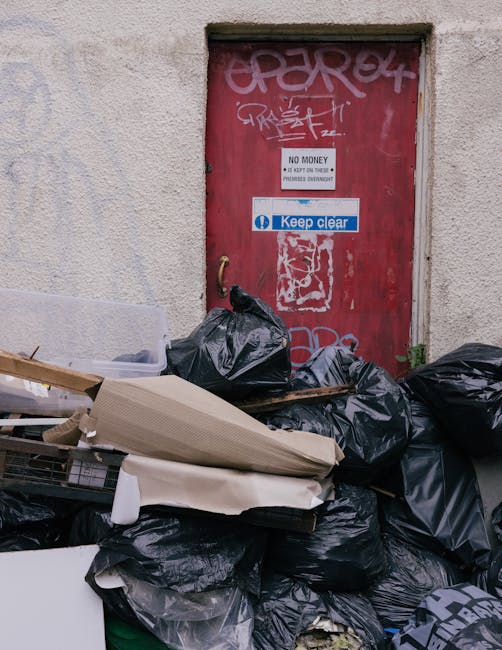
Bermondsey SE16 garden rubbish removal local options: a practical guide for homeowners, landlords and busy locals
If your garden in Bermondsey SE16 has turned into a holding area for hedge cuttings, broken planters, rotting timber, old turf bags, and the odd rusty bit of fencing, you are not alone. Garden waste builds up quietly, then suddenly it is everywhere. The good news is that Bermondsey SE16 garden rubbish removal local options are straightforward once you know what to look for, what can be collected, and which service fits your space, timing, and budget.
This guide breaks down the real local choices, how the process usually works, what affects cost, where people get stuck, and how to choose a service that feels reliable rather than rushed. If you want a clean, usable outdoor space again, this should save you a fair bit of faffing about.
Why Bermondsey SE16 garden rubbish removal local options Matters
Garden rubbish is a different sort of mess from general household clutter. It is bulky, awkward, often damp, and can start to smell if it sits too long. In Bermondsey SE16, where many homes have compact gardens, shared access, side return passages, or limited front-of-house space, the challenge is not just clearing waste. It is clearing it without causing damage, blocking neighbours, or turning the job into a whole weekend project.
That is why local options matter. A provider familiar with Bermondsey and the wider Southwark area is more likely to understand tight access, permit-sensitive parking, and the practical reality of carrying bags through narrow paths or up a flight of steps. To be fair, it is often the access issue, not the waste itself, that slows everything down.
There is also the question of responsibility. Mixed garden waste, green waste, soil, old sleepers, broken pots, and bits of timber can all need sorting. If you want things handled properly, you need a service that knows what can be reused, what can be recycled, and what should be treated as general waste. A thoughtful approach helps the garden, the street, and the wider area. That sounds obvious, but a lot of people only realise it once the pile is already at the gate.
If you are comparing broader clearance support too, it can help to look at related services such as garden clearance and more general waste removal so you can match the job to the right kind of service rather than forcing everything into one category.
How Bermondsey SE16 garden rubbish removal local options Works
In practice, garden rubbish removal is usually simple. You show the waste, explain what needs taking, get a quote, and book a time. The crew arrives, loads the material, and takes it away for sorting and disposal. The details, though, are where the difference lies.
Local operators typically work in one of a few ways:
- Man-and-van style collections for smaller piles or quick clearances.
- Team-based clearances for heavier or larger jobs, especially where there is dense green waste or awkward access.
- Mixed waste collection when your garden rubbish includes both organic material and hard items like broken furniture, fencing, or plant pots.
- Scheduled clearances for recurring maintenance, such as after seasonal pruning or a landscaping project.
The most useful local options are usually the ones that can adapt to what is actually in front of them. One Bermondsey garden might be a handful of hedge trimmings and a cracked compost bin. Another might have a shed full of old tools, bags of soil, and a couple of broken chairs. Same postcode, very different job.
If your clearance includes items beyond garden waste, services like garage clearance, furniture disposal, or builders waste clearance may be relevant as part of a broader tidy-up. That matters if you are dealing with a garden renovation rather than just a seasonal cut-back.
Most good providers will ask for photos first. That is not them being awkward; it is a sensible way to assess volume, access, and any mixed materials before they arrive. It usually means fewer surprises on the day, which everybody likes.
Key Benefits and Practical Advantages
The obvious benefit is that the waste disappears. But a proper local collection gives you a bit more than that.
- Time saved: You avoid hiring a trailer, loading everything yourself, and doing multiple trips.
- Less physical strain: Bagged branches, wet soil, and old compost sacks are heavier than they look. They always are.
- Better access management: Local crews often work more comfortably in Bermondsey's tighter residential layouts.
- Cleaner finish: A good team leaves the area swept and ready for the next job, not just "mostly clear".
- Improved recycling potential: Green waste, timber, and reusable items can often be separated more effectively when the collection is planned properly.
There is also a surprisingly big mental benefit. Once the rubbish is gone, the garden feels usable again. You see the patio differently. The weeds seem less annoying. The whole space stops feeling like a half-finished chore hanging over your head. Small thing, maybe. But people notice it.
For customers who want reassurance about how waste is handled, it is sensible to review a provider's recycling and sustainability approach and check practical details in pricing and quotes. It is a simple way to understand value beyond the headline price.
Who This Is For and When It Makes Sense
Local garden rubbish removal is not only for people with large gardens. In Bermondsey SE16, it often makes the most sense for people with limited outdoor space because a small garden can look full very quickly.
This service is a good fit if you are:
- a homeowner clearing after pruning, weeding, or landscaping work
- a landlord preparing a rental property between tenancies
- a tenant leaving a flat and dealing with overgrown outdoor clutter
- a tradesperson or gardener who needs the waste removed after a job
- a business with an outdoor area, courtyard, or entrance space that needs tidying
- someone handling a larger property clear-up and wanting one crew to manage the lot
It also makes sense when you do not want to wait for council collection dates or you have waste that simply does not fit convenient bin-bag treatment. If the pile has woody stems, soil, roots, pots, or mixed debris, you may find a specialist collection easier and faster.
A related service can help if the job spans inside and outside the home. For example, if the garden tidy-up has revealed a loft full of old decorations or a room full of items you no longer want, home clearance or house clearance may be the smarter route.
Let's face it, some jobs are never just one job. You start with the hedge, then notice the broken chair, then the old shed shelf, then the corner where things have been gathering since last summer. It happens.
Step-by-Step Guidance
If you want a smooth garden rubbish removal in Bermondsey SE16, this is the simplest way to approach it.
- Sort the waste into broad groups. Keep green waste, timber, soil, plant pots, and general junk separate if you can.
- Take a few clear photos. Include the full pile, the access route, and any awkward items. One photo of a pile is helpful; three or four is better.
- Check access details. Think about gates, steps, basement gardens, shared entrances, parking, and whether the waste must pass through the property.
- Ask what is included in the quote. Loading, labour, disposal, and sweeping up should be clear. If something seems vague, ask again. It saves headaches.
- Confirm the timing. Same-day collection may be possible, but not always. Morning collections are often easiest if the street is busy.
- Prepare the area. Move fragile items, unlock gates, and make the waste easy to reach. A few minutes here can save a lot of dragging and double-handling.
- Be present if possible. It helps the crew confirm what should go and what should stay.
A useful rule of thumb: the clearer the access, the cleaner the quote. Simple access, simple job. Complicated access, more time needed. Nothing dramatic, just reality.
If your pile includes leftovers from a renovation or garden build, it may also be useful to review builders waste clearance because stone, rubble, broken tiles, and timber offcuts are often dealt with differently from soft green waste.
Expert Tips for Better Results
In our experience, a well-planned collection usually costs less in time and stress than a "we'll sort it out when they arrive" approach. A few small habits make a big difference.
- Cut long branches down a little. You do not need to overdo it, but making large lengths more manageable can speed loading.
- Keep wet soil separate if possible. Soil is heavy. Very heavy. Even a small amount can change the job.
- Do not hide mixed waste in the pile. If there is a broken chair or an old bag of rubble in there, mention it early.
- Check whether items can be reused. If you have garden furniture in usable condition, it may belong in a different disposal route from green waste.
- Book before the garden gets worse. Sounds obvious, but people often wait until after another weekend of rain and then the whole thing doubles in size.
It is also worth thinking about the end result. If your aim is to re-lay turf, install planters, or create space for seating, ask for the waste to be cleared all the way back to the edges. A job can technically be "done" and still feel unfinished. You know the feeling.
For customers who value transparency and safety, the pages on insurance and safety and health and safety are useful because they show how a professional service thinks about risk, access, and working conditions.
Common Mistakes to Avoid
The biggest mistakes are usually not dramatic. They are small assumptions that make the job slower or more expensive than it needed to be.
- Assuming every garden waste pile is cheap to remove. Soil, rubble, and mixed waste are heavier and harder to handle than plain green cuttings.
- Forgetting access details. A rear garden with no rear access is not a minor detail. It affects labour, timing, and price.
- Leaving waste unsorted. A mix of branches, old fencing, plastic, and broken items can complicate disposal.
- Booking the wrong type of service. A light green-waste collection may not be right if you also need a shed, old furniture, or household clutter taken away.
- Choosing only on price. Cheapest is not always best. If the quote is unclear, the day can go sideways very quickly.
Another one, and this happens a lot: people underestimate the amount of waste left after a trim. A hedge that looks tidy from the patio can fill two or three good-size loads once cut down. Funny how that works.
If your garden job is part of a bigger clear-out, the right blend of services may include loft clearance or furniture clearance as well. That is often more efficient than piecemeal bookings.
Tools, Resources and Recommendations
You do not need specialist equipment to get ready for a garden rubbish removal, but a few basic tools make preparation easier.
- Heavy-duty sacks or rubble bags for loose cuttings, small branches, and soil
- Gloves with decent grip for thorny stems, broken pots, and damp material
- Garden shears or loppers for shortening awkward branches
- A broom or brush for a quick sweep once the waste has gone
- Tarpaulin or sheet to keep waste contained and easier to lift
- A phone camera to document the pile and share photos for an accurate quote
As a recommendation, start with the most awkward items first. Old fencing panels, soaked timber, broken pots, and soil bags tend to be the things people avoid until the end. Then they sit there looking back at you. Deal with those early and the rest of the job feels easier.
For broader property or business needs, related pages like office clearance and business waste removal can be helpful if the waste is connected to a commercial property, a shopfront courtyard, or a managed site.
Law, Compliance, Standards, or Best Practice
Garden rubbish removal may sound straightforward, but there are a few practical compliance points worth keeping in mind. You do not need to be a legal expert to get this right. Just a careful one.
In the UK, waste must be handled responsibly, and the person producing the waste still has a duty to make sensible choices about who removes it. That means checking that the provider is legitimate, that the waste is taken away properly, and that materials are not simply dumped somewhere they should not be. If a service is vague about disposal, that is a red flag.
There is also a distinction between garden waste and other material. Pure green waste is generally easier to manage than mixed loads containing timber, plastic, soil, bricks, or household rubbish. Good practice is to describe the load accurately and be upfront about anything unusual. It keeps everyone on the right side of the job.
Safety matters too. If waste is being removed through a narrow hallway, shared passage, or uneven garden path, it should be done carefully to avoid damage to walls, gates, paving, or the people carrying it. A crew that works methodically is worth its weight in compost, frankly.
If you want to understand how a provider approaches trust and process, the about us, terms and conditions, and complaints procedure pages are useful signs of how the business handles expectations and service standards.
Options, Methods, or Comparison Table
Not every garden clearance needs the same approach. Here is a simple comparison of the most common Bermondsey SE16 garden rubbish removal local options.
| Option | Best for | Pros | Watch-outs |
|---|---|---|---|
| Local man-and-van collection | Small to medium garden waste piles | Quick, flexible, often suitable for tighter streets | May not suit very heavy or bulky mixed waste |
| Team clearance | Large clear-ups, heavy loads, awkward access | Faster loading, better for complex jobs | Can cost more if the job is simple |
| Green-waste focused removal | Branches, hedge trimmings, grass, leaves | Efficient for mostly organic waste | Less suitable if mixed with rubble or furniture |
| Mixed waste clearance | Garden junk plus household or renovation items | One booking covers more of the mess | Pricing depends on the mix and weight |
| Property-wide clearance | Garden plus indoor decluttering | Efficient for landlords, sellers, and full refreshes | Needs clear instruction so nothing important is removed |
If you are trying to decide between a focused garden collection and a broader clear-out, it usually comes down to one question: is the waste all outdoor material, or is the job spilling into the rest of the property? Once you answer that, the choice gets much easier.
Case Study or Real-World Example
A Bermondsey resident contacted a local clearance team after a spring tidy-up exposed more than expected: hedge trimmings, two broken planters, a stack of damp bags of soil, and the remains of an old timber bench. The rear garden could only be reached through the house, which meant the job needed careful carrying and a little patience.
Rather than splitting the job into separate visits, the team assessed the waste from photos first, confirmed the access route, and grouped the collection as a mixed garden clearance. That kept the visit efficient and avoided a second booking when the bench and broken pots were added at the last minute. Small thing, but it saved time and made the garden usable again by the end of the afternoon.
The real lesson was simple: once the waste is described accurately, the service can be matched properly. If the customer had only asked for green waste removal, the rest of the pile would have remained. And then the job would have lingered, which nobody enjoys.
That kind of practical planning is why local knowledge matters so much in SE16. Narrow access, mixed waste, and busy residential streets all push the job toward a more tailored solution.
Practical Checklist
Use this checklist before booking your garden rubbish removal.
- Identify the main waste types: green waste, soil, timber, pots, fencing, or mixed items
- Check how the waste will be reached from the street or rear access point
- Take clear photos of the full pile and the route to it
- Measure or estimate whether large items need dismantling
- Ask whether sweeping up is included after loading
- Confirm whether the quote covers labour, transport, and disposal
- Make sure there is space for the vehicle to stop safely nearby
- Separate anything you want to keep before the crew arrives
- Choose a provider that explains recycling and disposal clearly
- Keep the phone handy in case access instructions need a quick update
And one more, because it saves trouble more often than people think: if something looks heavier than you expected, say so. Heavy wet waste is sneaky. It pretends to be manageable, then suddenly it is not.
Get a free quote today and see how much you can save.
Conclusion
Bermondsey SE16 garden rubbish removal local options are most useful when they are matched to the real shape of the job: the type of waste, the access route, how quickly you need it gone, and whether the pile is purely garden material or part of a wider clear-out. The right service should feel straightforward, not stressful.
If you take a little time to sort the waste, share photos, and choose a provider that understands local access issues, the whole process becomes much easier. You get the space back, you avoid unnecessary lifting, and the garden starts to feel like part of the home again instead of a storage corner with leaves in it.
For a final note on service confidence, it is worth reviewing practical pages such as payment and security and contact us so you know what to expect before booking. A clear, calm process is always the best start.
And when the last bag is gone and the path is clear, even a small Bermondsey garden can feel surprisingly bright again.
Frequently Asked Questions
What counts as garden rubbish in Bermondsey SE16?
Garden rubbish usually includes grass cuttings, hedge trimmings, branches, leaves, weeds, soil, turf, plant pots, broken garden furniture, old fencing, and similar outdoor waste. Mixed loads may need a different approach from pure green waste.
Is local garden rubbish removal better than using the council service?
It depends on the job. A local collection is often faster and more flexible for bulky, mixed, or urgent waste. Council routes may suit smaller, routine disposal needs, but they usually come with stricter limits and timings.
How do I know which Bermondsey SE16 garden rubbish removal local option is right for me?
Start by checking the waste type, volume, and access. If it is mostly branches and clippings, a green-waste focused collection may work. If there is soil, fencing, or old furniture too, a mixed waste service is often the better fit.
Can garden waste be removed from a rear garden with no outside access?
Yes, often it can. The crew may need to carry waste through the property or via a shared passage, so it helps to mention access details early. Clear photos make a big difference here.
Will soil and turf cost more to remove than branches?
Usually yes, because soil and turf are heavy and can change the load weight very quickly. Branches and loose green waste are often easier to handle than dense bags of soil.
Do I need to sort garden waste before collection?
Not always, but sorting green waste from mixed rubbish is usually helpful. It can make quoting easier and may improve the chance that recyclable material is handled properly.
What if my garden rubbish includes broken furniture or shed parts?
That is common, especially after a seasonal clear-up. Mention it when you ask for a quote, because items like timber furniture, metal frames, and shed parts can affect the collection method.
How quickly can a local collection usually happen?
Sometimes the same day, sometimes not. It depends on schedule, access, and the size of the job. The simplest way to speed things up is to send photos and be clear about what needs removing.
Is it worth booking a bigger clearance if I only started with the garden?
If the tidy-up has spread into the garage, loft, or house, yes, it may be more efficient to bundle the work together. That can save repeat visits and make the whole property feel sorted in one go.
How can I tell if a removal service is reputable?
Look for clear service information, transparent pricing, straightforward terms, and sensible safety and disposal policies. A provider that explains how they work is usually a better sign than one that only talks about being the cheapest.
What should I do on the day of collection?
Make sure the waste is accessible, fragile items are moved out of the way, and any gates or entry points are unlocked. If possible, be available to confirm what should go. That avoids awkward guessing, which nobody needs.
Can I combine garden waste with other household waste?
Sometimes yes, but it depends on the provider and the mix of materials. If the load includes household items, renovation debris, or old furniture, it is better to describe it as mixed waste rather than only garden rubbish.