Smart Methods to Decrease Your Use of Plastics
Smart Methods to Decrease Your Use of Plastics
Plastics have become an integral part of our daily lives, providing convenience, durability, and low-cost alternatives to traditional materials. However, their widespread use has sparked significant environmental concerns, affecting ecosystems and human health around the globe. If you're looking for effective ways to reduce your reliance on plastic products, you've come to the right place. This comprehensive guide explores smart methods to decrease your use of plastics in everyday life, adopting sustainable alternatives, and fostering eco-friendly habits for a greener future.
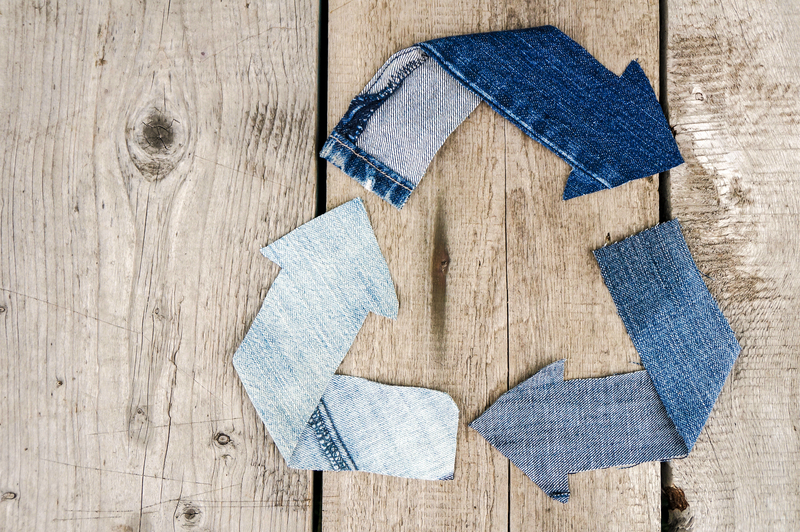
Why Reducing Plastic Consumption is Crucial
Plastic pollution is a global crisis. Over 300 million tons of plastic are produced annually, with a significant portion ending up in landfills, oceans, and natural habitats. Not only do plastics take hundreds of years to decompose, but their breakdown releases toxic microplastics that can infiltrate food and water supplies. By minimizing our use of plastics, we can:
- Protect wildlife and marine life from ingestion and entanglement issues.
- Reduce greenhouse gas emissions associated with plastic manufacturing and disposal.
- Limit human exposure to hazardous chemicals present in plastics.
- Promote a sustainable and circular economy.
Proven Strategies to Reduce Plastic Usage
Let's dive into a variety of innovative and practical strategies to cut down your plastic consumption and embrace sustainable living. These approaches are easy to implement, cost-effective, and can inspire broader change when adopted on a larger scale.
1. Choose Reusable Over Disposable
Opting for reusable items is one of the most effective ways to minimize plastic usage. Aim to swap out single-use plastics with long-lasting alternatives. Here are some ideas:
- Carry a reusable water bottle: Stainless steel or glass bottles can replace hundreds of disposable plastic bottles per year.
- Use cloth shopping bags: Bring your own bags to the grocery store instead of accepting plastic ones.
- Opt for reusable coffee cups or tumblers: Many cafes now offer discounts when you bring your own cup.
- Switch to fabric produce bags: These are perfect for fruits and vegetables and replace single-use plastic bags.
- Pack lunches in glass or metal containers instead of plastic wrap or bags.
2. Shop Smart and Support Plastic-Free Brands
When shopping, practice mindful purchasing by selecting brands and products that minimize or eliminate plastic packaging. Consider these tips:
- Buy in bulk to reduce packaging waste and often save money.
- Shop at zero-waste or refill stores that encourage the use of your own containers.
- Choose glass, metal, or paper packaging over plastic wherever possible.
- Look for plastic-free certifications and labels.
3. Change Your Food Storage Habits
Food storage offers many opportunities to reduce dependence on plastics:
- Replace plastic wrap with beeswax wraps, silicone lids, or cloth covers.
- Use glass jars and containers for leftovers and pantry staples.
- Freeze food in stainless steel containers or reusable silicone bags instead of disposable plastic bags.
4. Make Sustainable Personal Care Swaps
Many personal-care products come in excessive plastic packaging or contain microplastics. To curb your plastic consumption, try:
- Switching to bar soap, solid shampoo, and conditioner bars.
- Choosing bamboo toothbrushes and biodegradable dental floss.
- Opting for metal or cardboard razors instead of disposable plastic ones.
- DIY beauty products that you can store in reusable containers.
5. Eco-Friendly Cleaning Techniques
Modern cleaning supplies are often packaged in single-use plastic. Try these smart methods instead:
- Use cleaning concentrates or refillable cleaning bottles.
- Choose laundry detergents in cardboard boxes or eco-friendly pods with compostable packaging.
- Make your own cleaning solutions with simple ingredients like vinegar and baking soda, stored in glass bottles.
- Select natural scrubbing tools such as coconut brushes or fabric cloths instead of plastic sponges.
Innovative Approaches to Reduce Plastic Dependence
6. Harness Technology for Sustainable Choices
In today's digital age, several apps and online platforms can help track and reduce your plastic footprint:
- Plastic calculators to monitor personal usage.
- Online directories for zero-waste stores and resources.
- Sustainable shopping apps that highlight plastic-free or low-waste brands.
7. Advocate for Change and Educate Others
Beyond individual actions, collective effort accelerates progress. Consider:
- Joining environmental advocacy groups that promote plastic bans or recycling initiatives.
- Participating in or organizing community clean-ups to raise awareness about plastic waste.
- Encouraging schools and workplaces to adopt plastic-reduction policies.
- Sharing your journey on social media to inspire others.
8. Master the Art of Recycling Correctly
Recycling plays a vital role in combating plastic waste, but only if done properly. Here's how to maximize your recycling effectiveness:
- Clean items before placing them in the recycling bin to prevent contamination.
- Follow local recycling guidelines - not all plastics are accepted everywhere.
- Avoid wishful recycling (putting non-recyclable items in the blue bin).
- Research drop-off centers for hard-to-recycle plastics, like bags or film wrappers.
Smart Alternatives to Everyday Plastic Products
Choosing alternatives not only directly reduces plastic use but also supports companies driving change. Consider integrating these swaps into your routine:
- Cloth diapers instead of disposables
- Compostable dishware for parties or picnics
- Bamboo cutlery and straws instead of plastic ones
- Cotton swabs with paper or bamboo sticks
- Eco-friendly phone cases and electronics accessories
- Paper tape in place of plastic tape when wrapping gifts
Every small swap is a big step toward a plastic-free lifestyle.
The Benefits of Reducing Plastic Use
Adopting smart methods to decrease your use of plastics has a ripple effect that goes beyond environmental preservation. Benefits include:
- Improved health by reducing exposure to toxic chemicals found in plastics.
- Cost savings from investing in reusable products that last longer.
- Support for ethical and local businesses creating innovative plastic alternatives.
- Cleaner communities and natural spaces free from plastic litter.
Over time, these choices foster a culture of sustainability and responsibility.
Future Innovations: Transforming How We Use Plastics
On a global level, researchers and inventors are revolutionizing how we address plastic waste. Some advancements include:
- Biodegradable and compostable plastics made from plants.
- Plastic-eating enzymes and micro-organisms that break down waste.
- Advances in recycling technology to process more complex plastics.
- Government-led initiatives and international treaties to curb plastic pollution.

Frequently Asked Questions on Reducing Plastics
How can I reduce plastic use at work?
Bring your own lunch in reusable containers, use a personal water bottle and mug, and advocate for office-wide recycling or bulk supplies to minimize plastic packaging.
What are some tips for reducing plastic use while traveling?
Pack a reusable water bottle, travel cutlery, and cloth shopping bags. Avoid airport single-use items and choose accommodations that commit to sustainable practices.
Are biodegradable plastics always a better choice?
While they break down faster in the right conditions, some "biodegradable" plastics require industrial composting. Whenever possible, opt for reusables or products certified as home compostable.
Conclusion: Start Today for a Plastic-Free Tomorrow
Reducing your reliance on plastics doesn't have to be overwhelming. By adopting smart methods to decrease your use of plastics, you can drive change in your home, workplace, and community. Every sustainable alternative embraced and eco-conscious choice made sets a positive example for others, gradually leading to a cleaner planet.
Take action today and become a part of the solution--one sustainable step at a time.